


The global health system is at a new juncture today. Modern medical science is achieving unprecedented success in complex surgeries, infectious disease control, and life-saving treatments. On the other hand, the growing challenges of stress, mental imbalance, lifestyle-related diseases, and chronic health problems have also attracted the global community towards the concepts of yoga, meditation, naturopathy, and holistic health. In this environment, a country like Nepal, which has a close relationship with yoga, meditation, Ayurveda, and nature, has got the opportunity to present its original knowledge to the world.
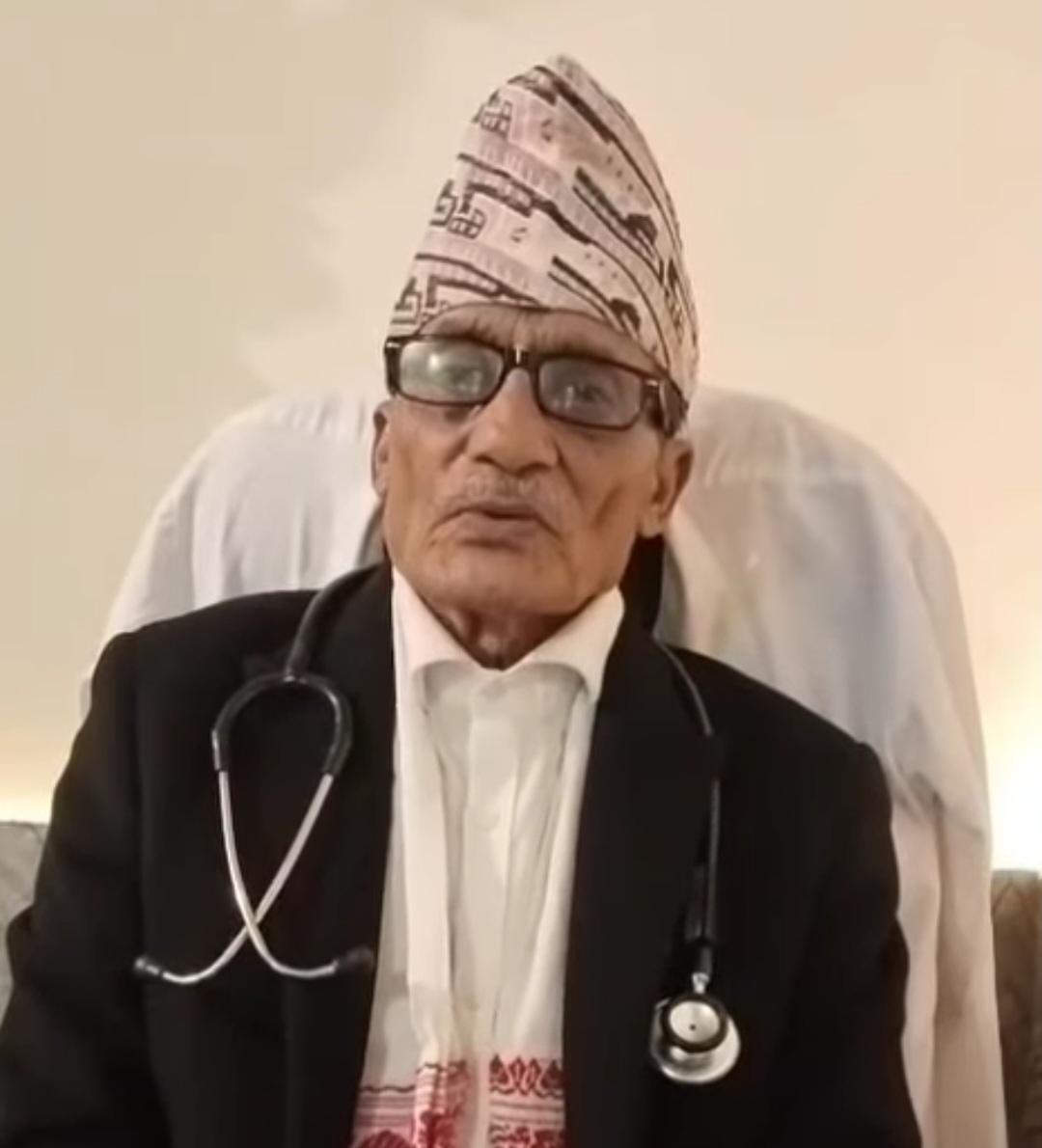
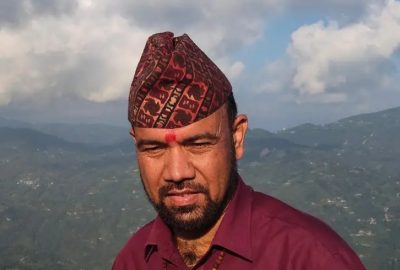
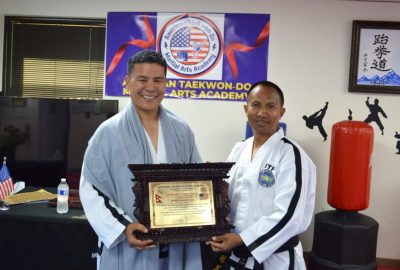
Prof. Dr. Surya Bahadur Karki is a prominent figure in the campaign to institutionalize naturopathy, therapeutic massage, and yoga in Nepal. For more than five decades, he has been trying to connect yoga, naturopathy, and therapeutic massage not only as alternative treatments but also with health education, skill development, job creation, and health tourism. The Institute of Natural Medicine (INM) and Nepal Yoga and Naturopathy Association (NYNCA) in Paknazol are the institutional foundations of that campaign.
Today, health tourism is a rapidly expanding sector of the global economy. Millions of people are traveling across borders in search of treatment, rehabilitation, peace of mind, and a healthy lifestyle. Nepal has a strong potential for health tourism, as it is blessed with natural resources such as mountains, greenery, biodiversity, spiritual environment, and yoga traditions. The role of the private sector, educational institutions, and experienced individuals is crucial in realizing this potential. In this context, Dr. Karki’s efforts can be seen as not just a personal achievement but also as the initial foundation of potential.
The training courses on yoga, therapeutic massage and naturopathy conducted under his leadership have provided professional skills to thousands of Nepali youth. Today, many human resources working in hotels, resorts, spas and wellness centers in Nepal have benefited from such training. Even abroad, Nepali trained human resources are making a name for themselves through their skills. Such achievements have established the naturopathy sector as a means of economic opportunity and self-employment along with health services.
However, the development of any field must be based on facts, evidence and a scientific approach. Many positive effects of yoga, meditation, healthy diet, natural lifestyle and therapeutic massage have been confirmed by international research. Their usefulness in stress management, mental health improvement, physical flexibility enhancement and rehabilitation treatment has been accepted. However, it is not appropriate to present these methods as miracle cures for all diseases or to claim that they have not been proven by scientific tests. As important as public trust is in the health sector, scientific accountability is equally important.
For this reason, it is necessary to take a critical look at terminology such as “supernatural healing” used in some programs or promotional materials. While such terms may help to increase public appeal, such claims can only be credible in the long term if they are supported by evidence that is accepted by the scientific community. Naturopathy and modern medicine are not competitors; the need of the hour is that both should work together for the health of citizens, within their own boundaries.
Another important aspect of the yoga and natural health camps run by the Paknajol-based organization in rural areas is public awareness. The work of creating awareness among the rural community about health education, yoga practice, healthy lifestyle and self-discipline can be viewed positively. Such programs have increased the sense of responsibility towards health in the community. In addition, they have also expanded the social trust of the organization and the potential for health tourism.
The time has come for the Nepali government to view alternative health systems not just as traditional practices, but also as a means of research, education, skill development, and health tourism. With quality curricula, effective regulation, investment in research, and certification according to international standards, Nepal has a strong foundation for becoming a significant health tourism destination in South Asia.
While assessing the contribution of Prof. Dr. Surya Bahadur Karki, it is neither necessary to indulge in exaggerated praise nor to reject him on the basis of prejudice. It is necessary to acknowledge the fact that his efforts have laid an important foundation for the professional recognition of naturopathy, yoga and therapeutic massage in Nepal. In addition, scientific research, evidence-based practice and institutional reform should also be given equal importance to ensure that this field gains greater credibility in the future.
The journey of yoga and naturopathy, which can create new possibilities in all three sectors of Nepal’s health, tourism, and employment, should now prioritize evidence over emotion, quality over propaganda, and institutional development over individuals. If we move forward on this path, the campaign started by Prof. Dr. Surya Bahadur Karki can take the form of a long-term national achievement
Comment